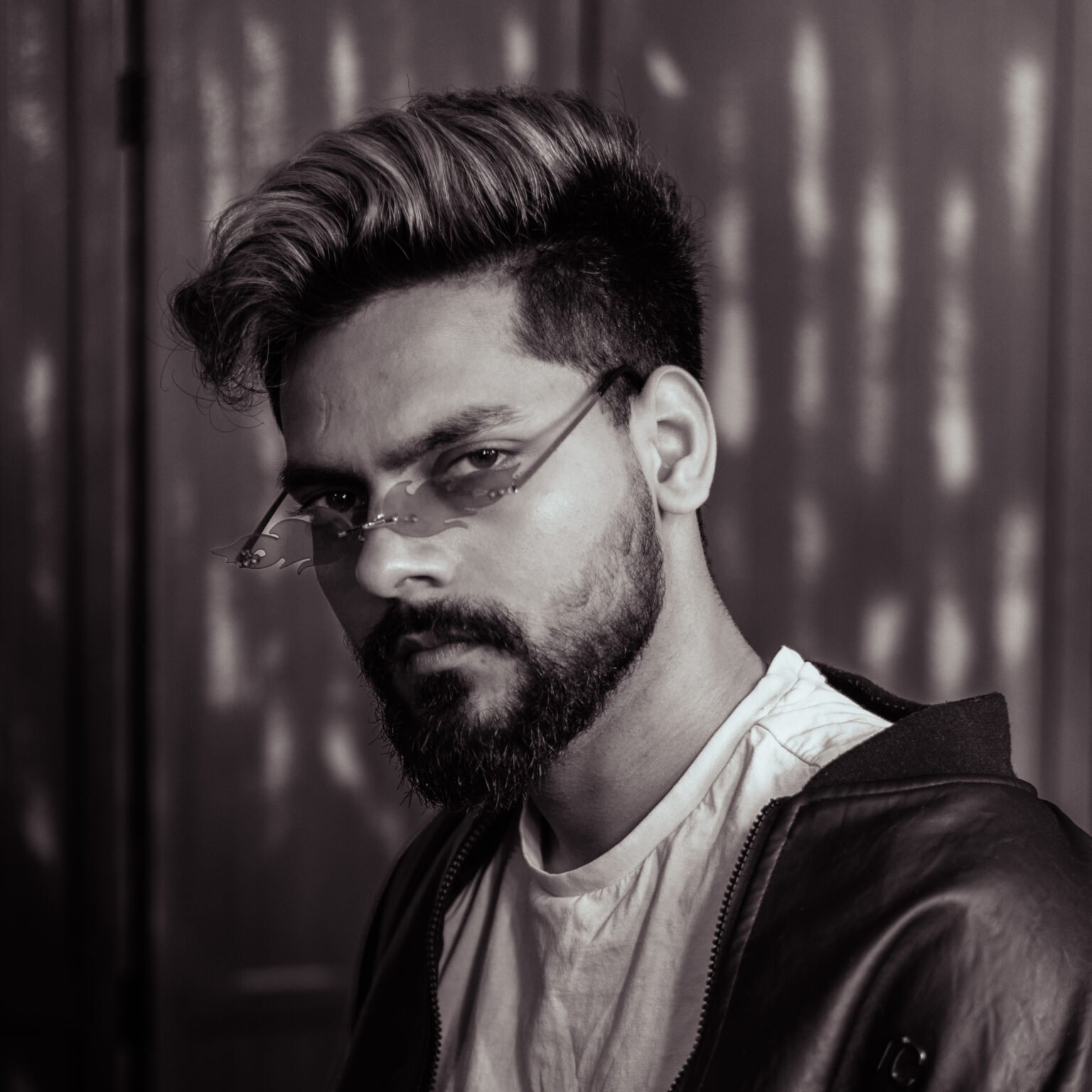
Got my tattoo covered up. Vivek was fantastic. We discussed ideas & he came up with something fabulous.
Skip to content
Not happy with an old tattoo? You have three options: cover it with a new design, rework it so it looks fresh again, or lighten or remove it with laser. Tattoo Lab in Halifax does cover-ups and reworks, not laser.
Free consultation. No deposit yet.
Slide to see the old tattoo under the new one. Each pair is one client, photographed at the studio before and after.
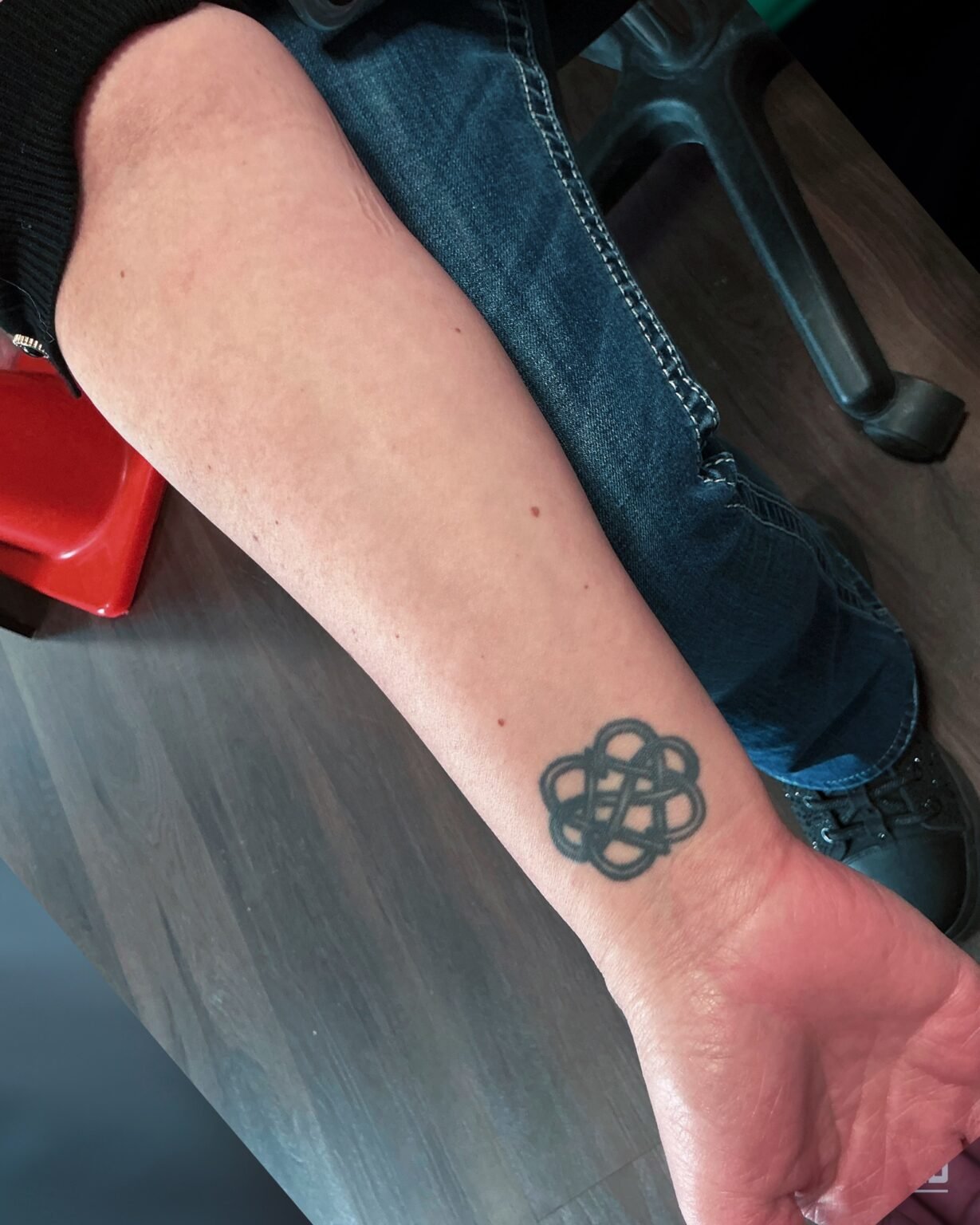
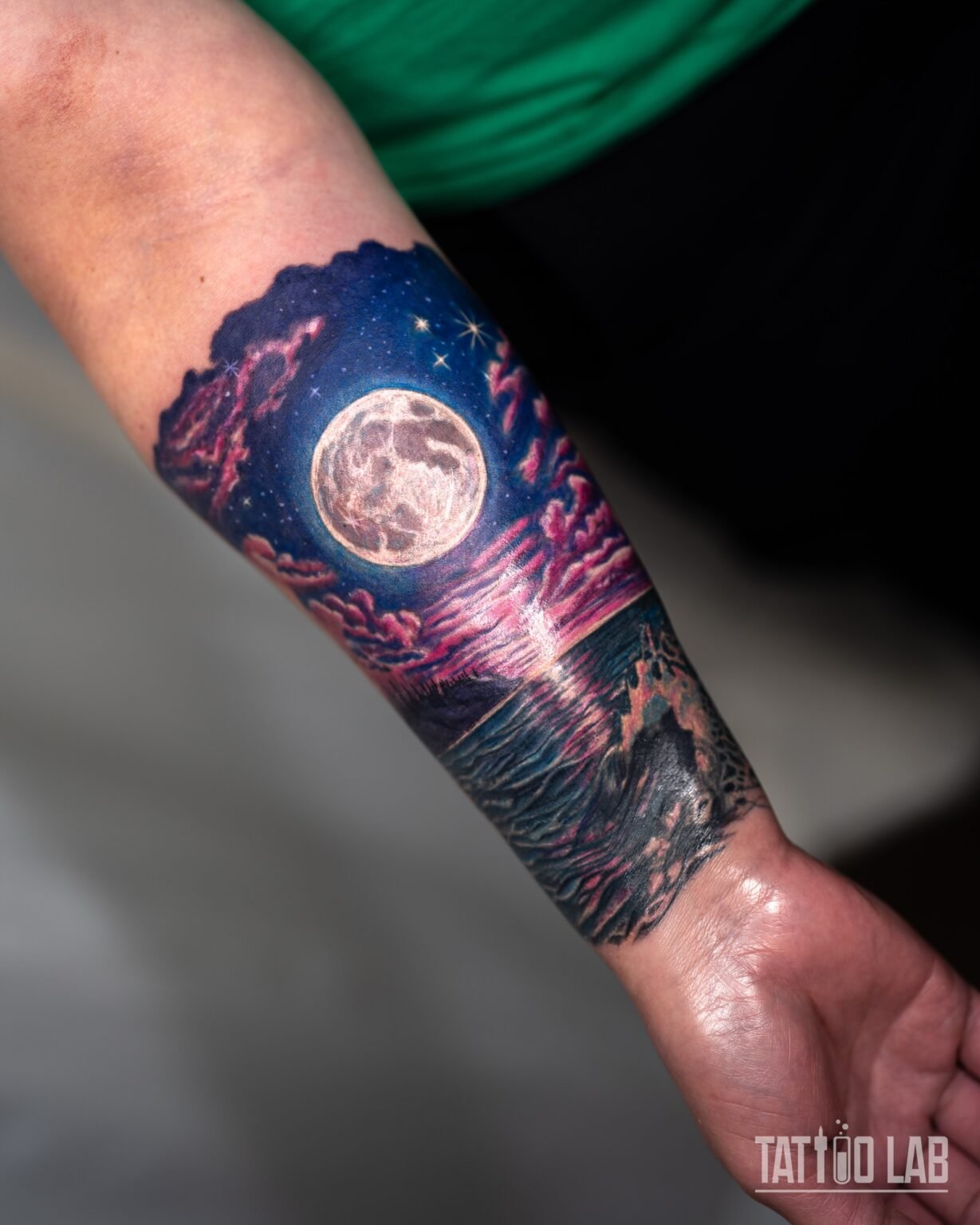
10 cover-ups from the studio. Tap one to load it into the slider.
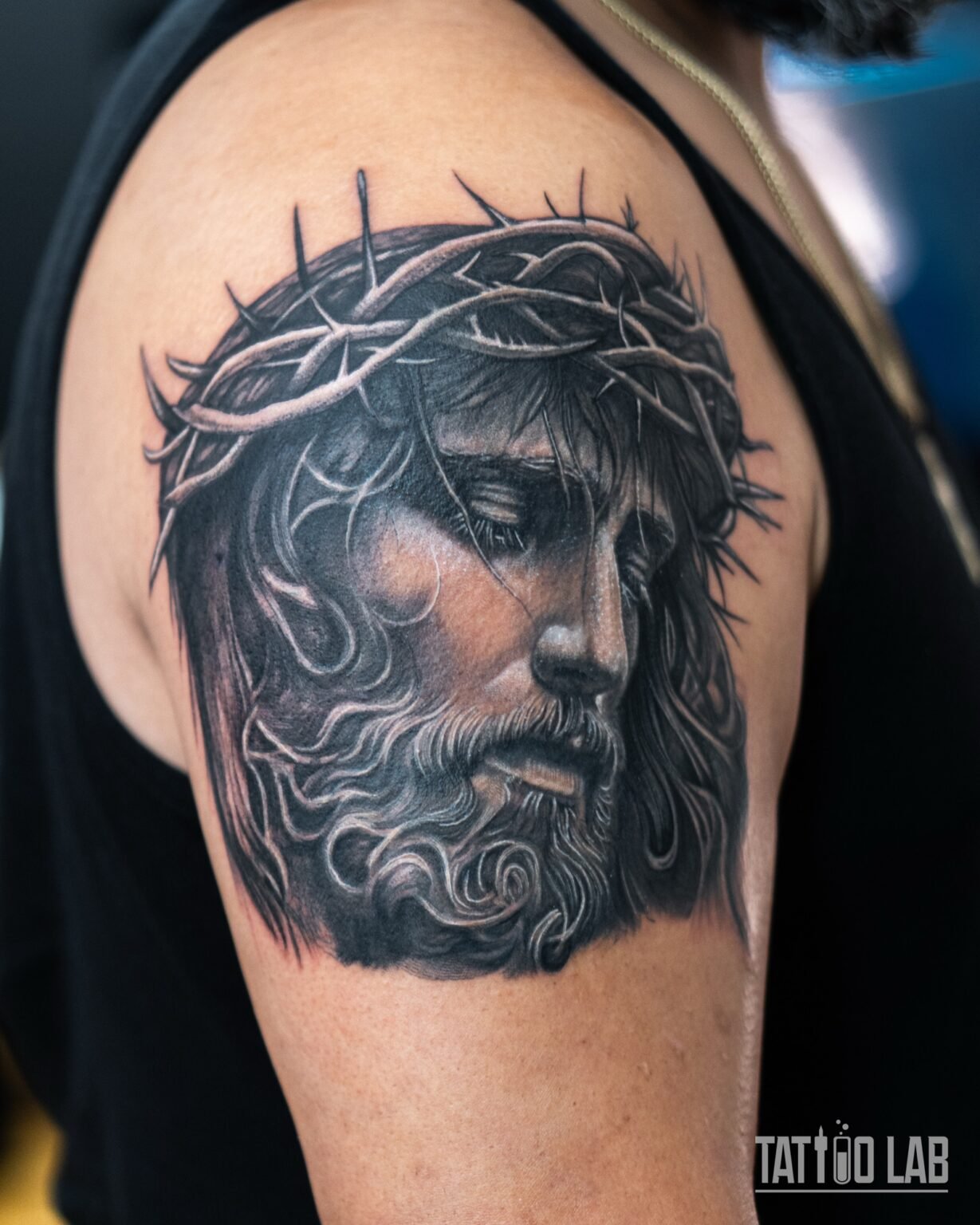
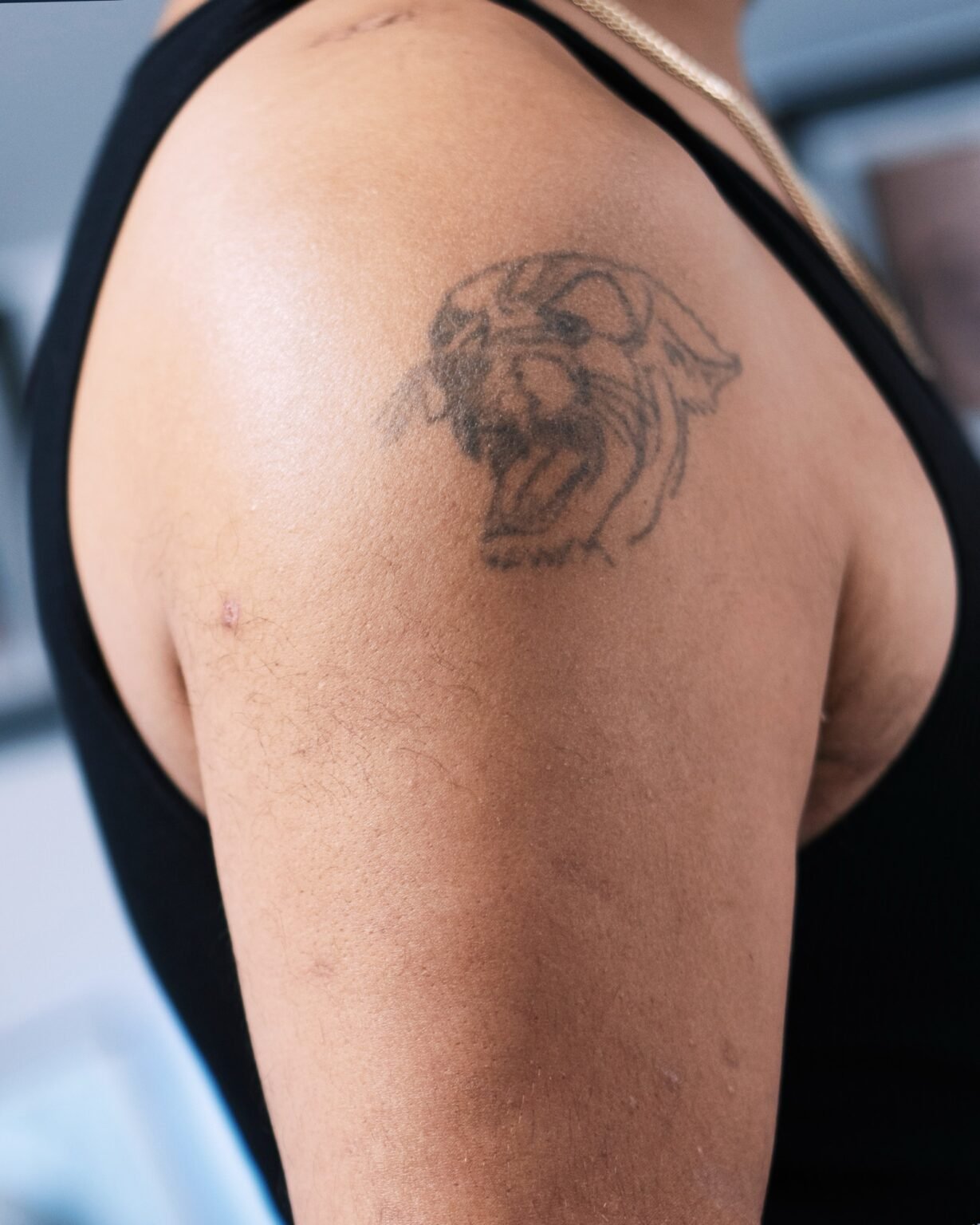
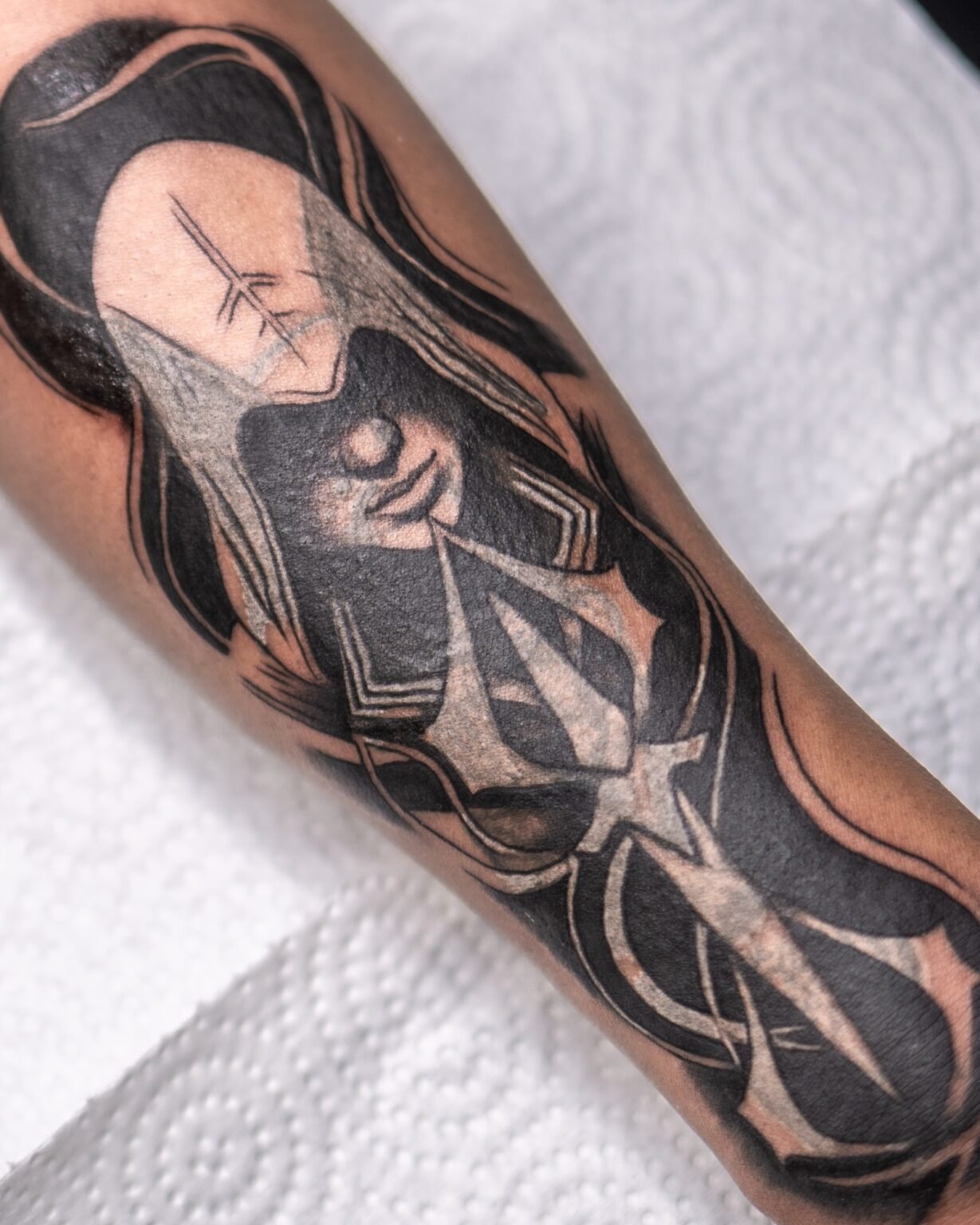
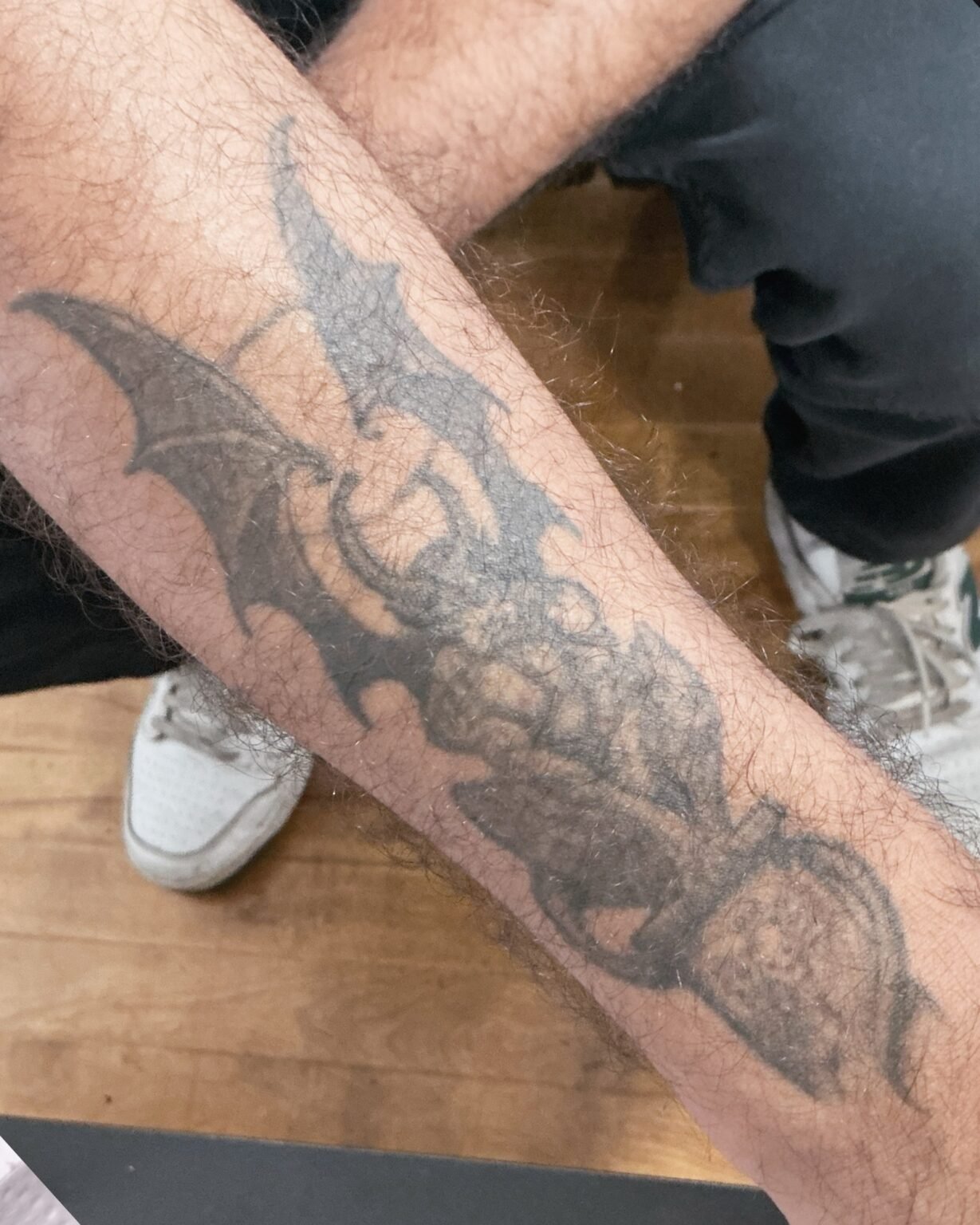
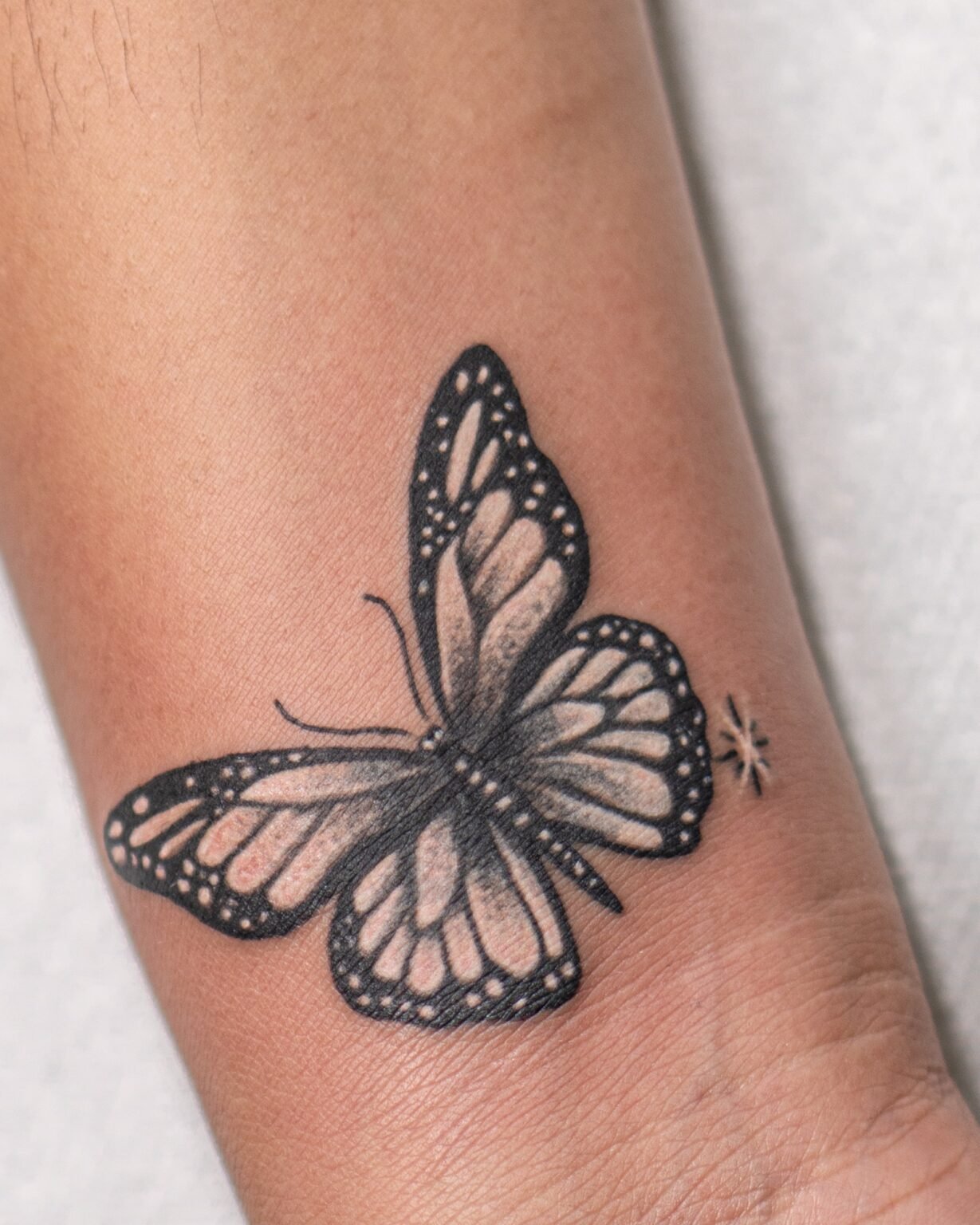
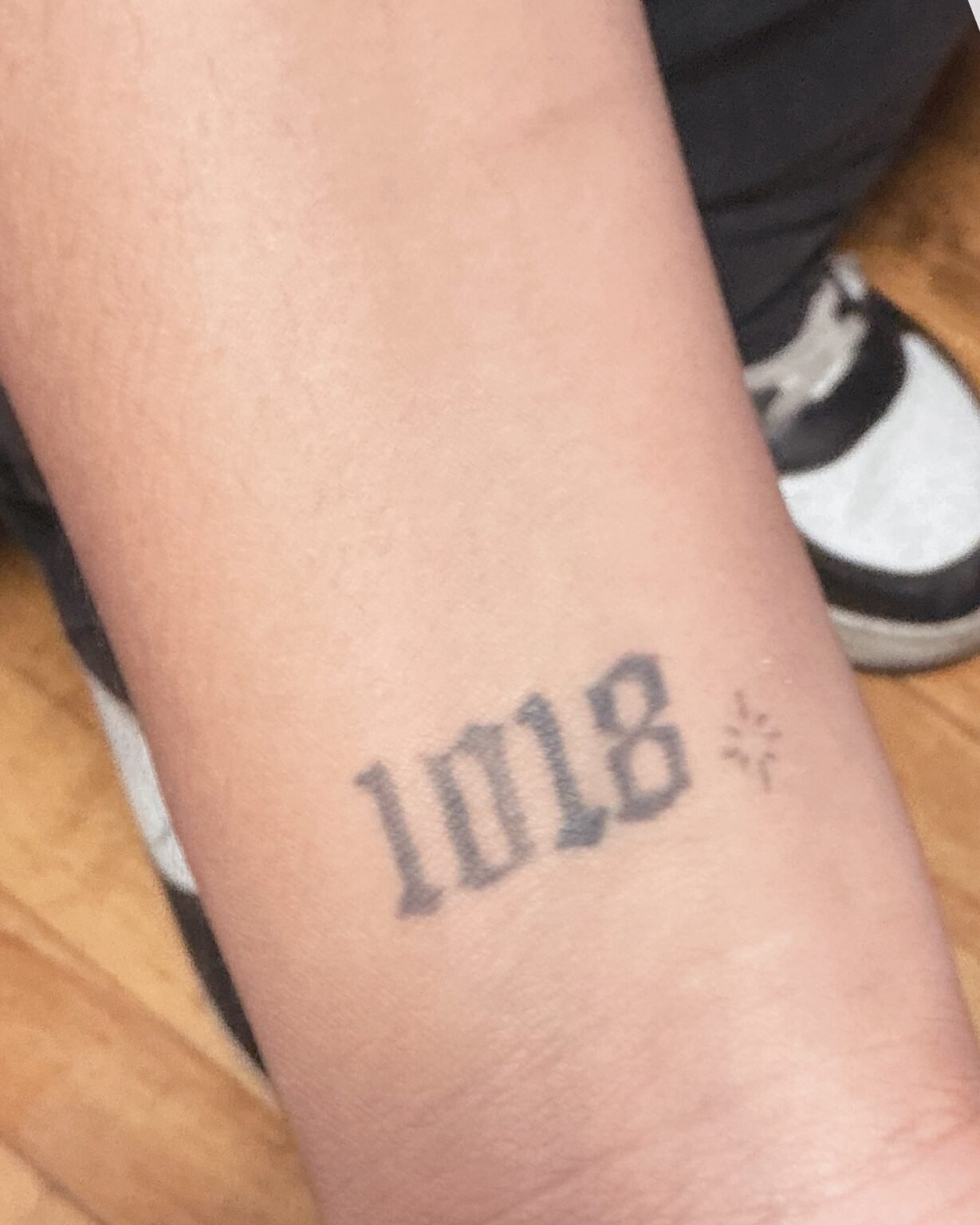
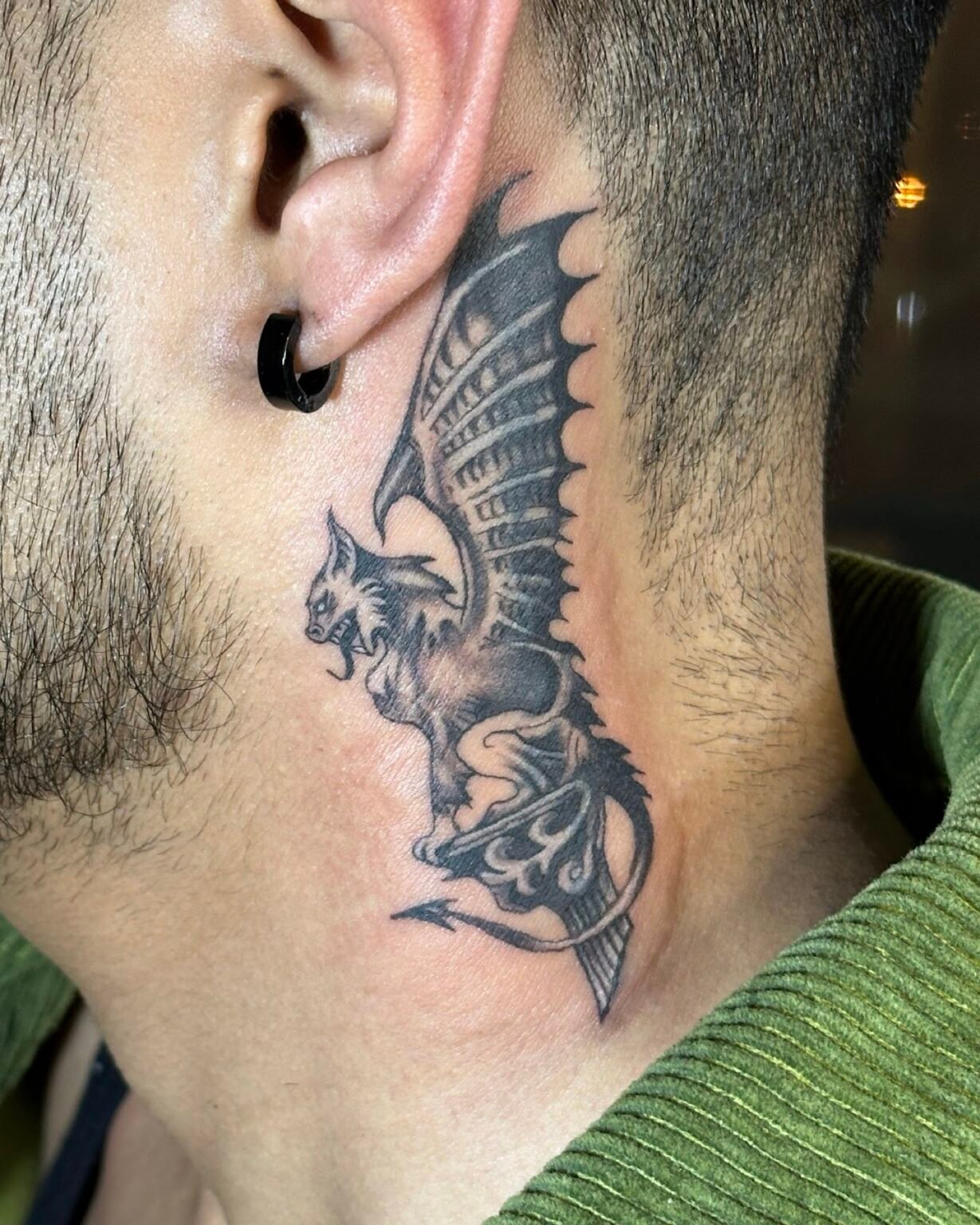
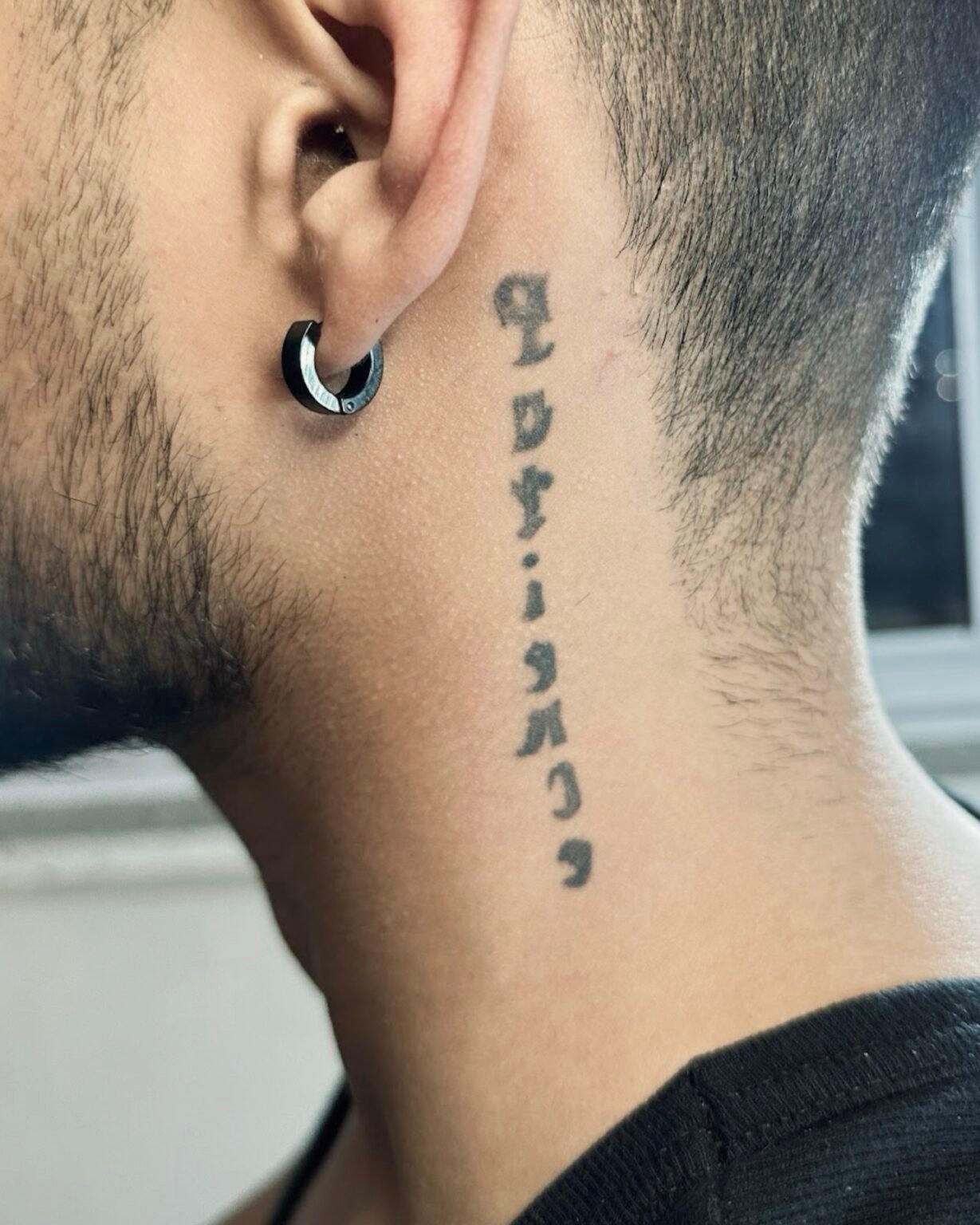
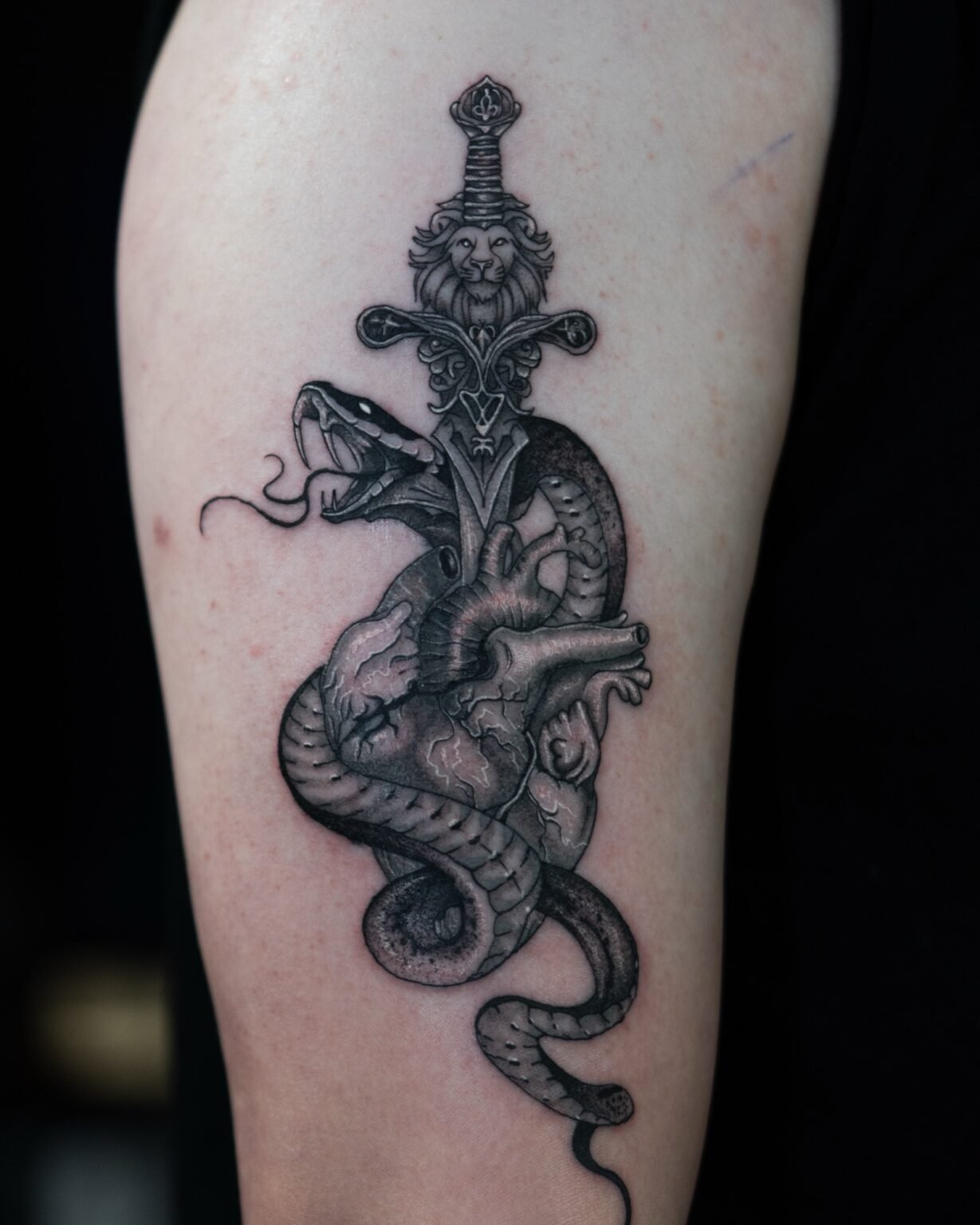
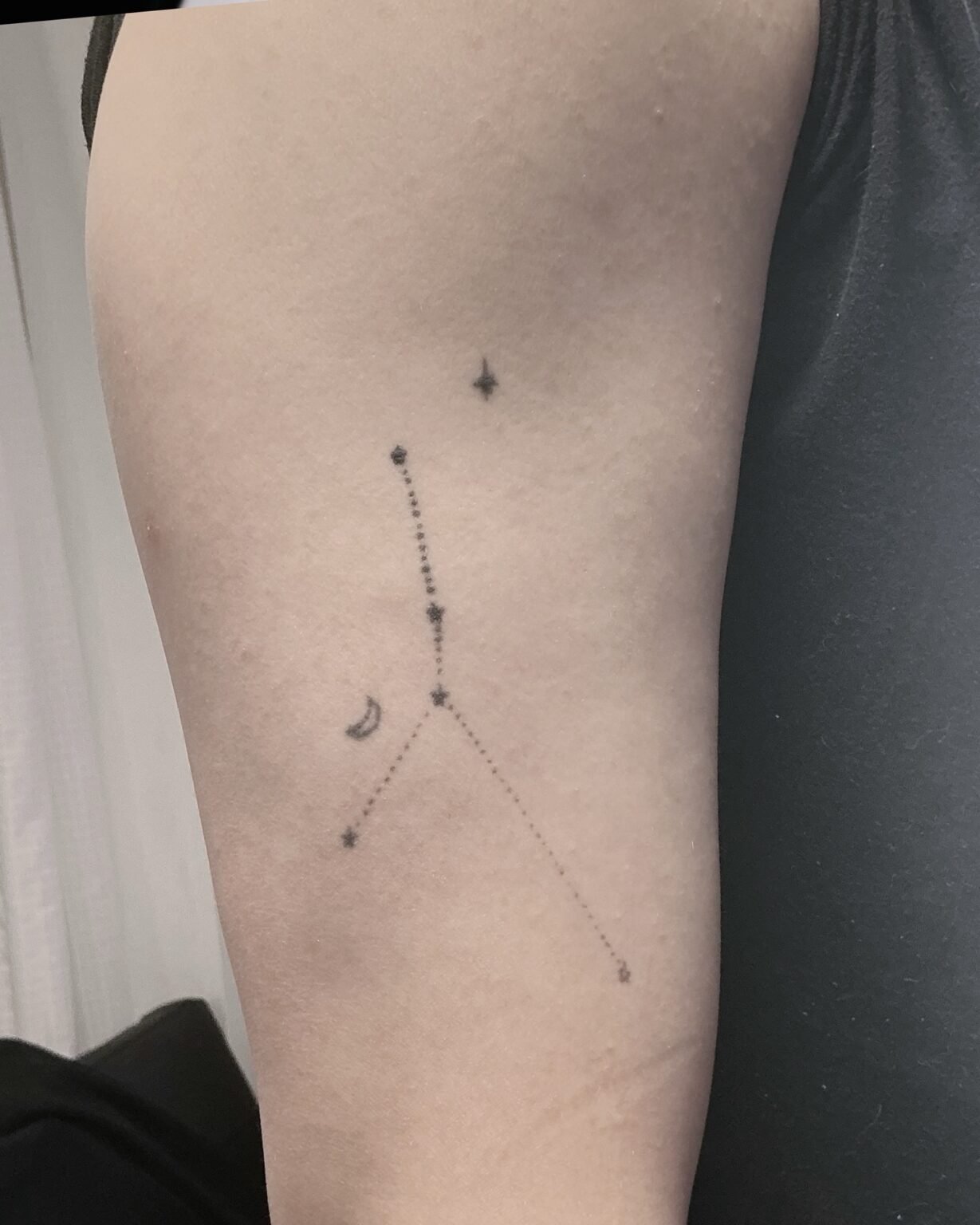
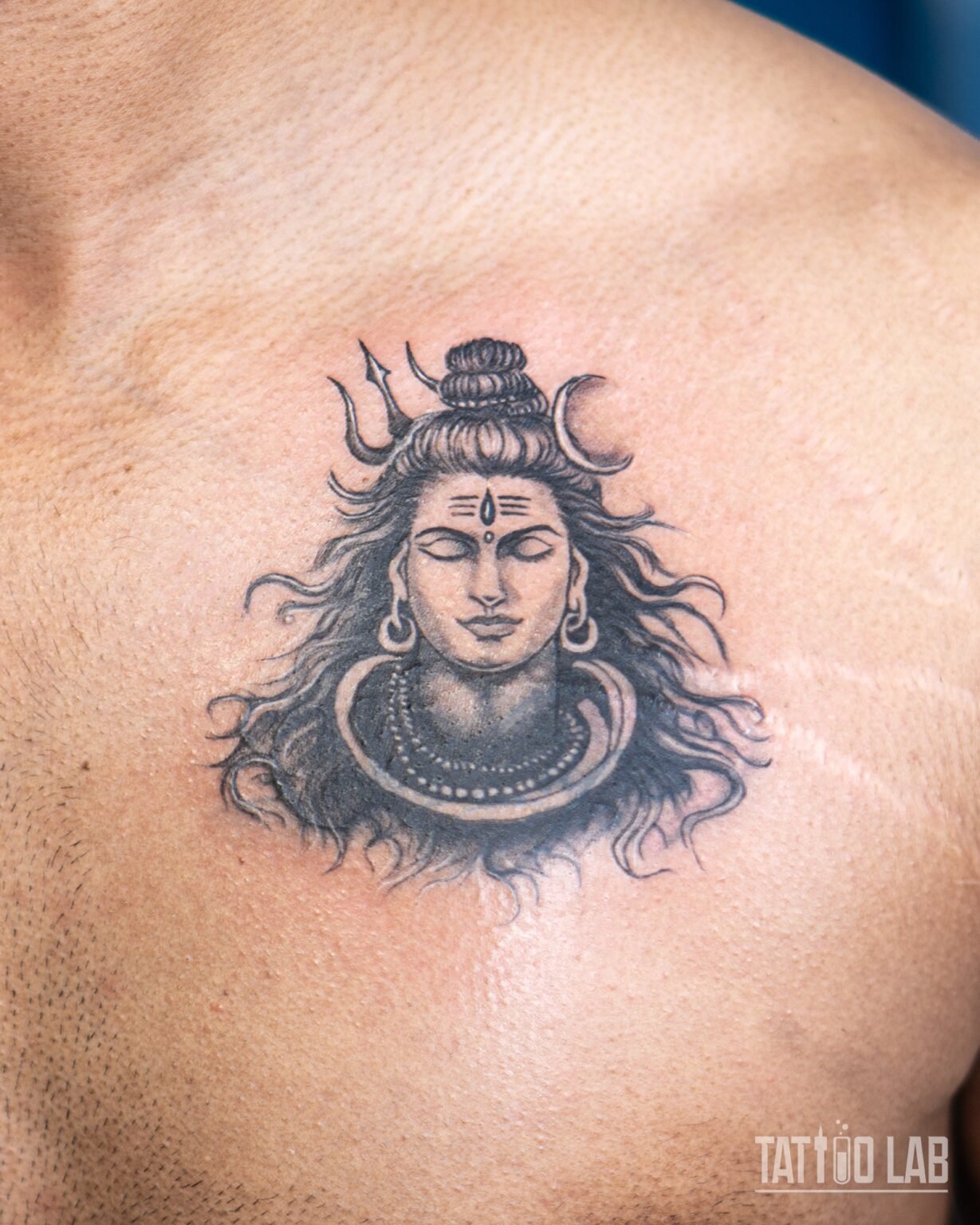
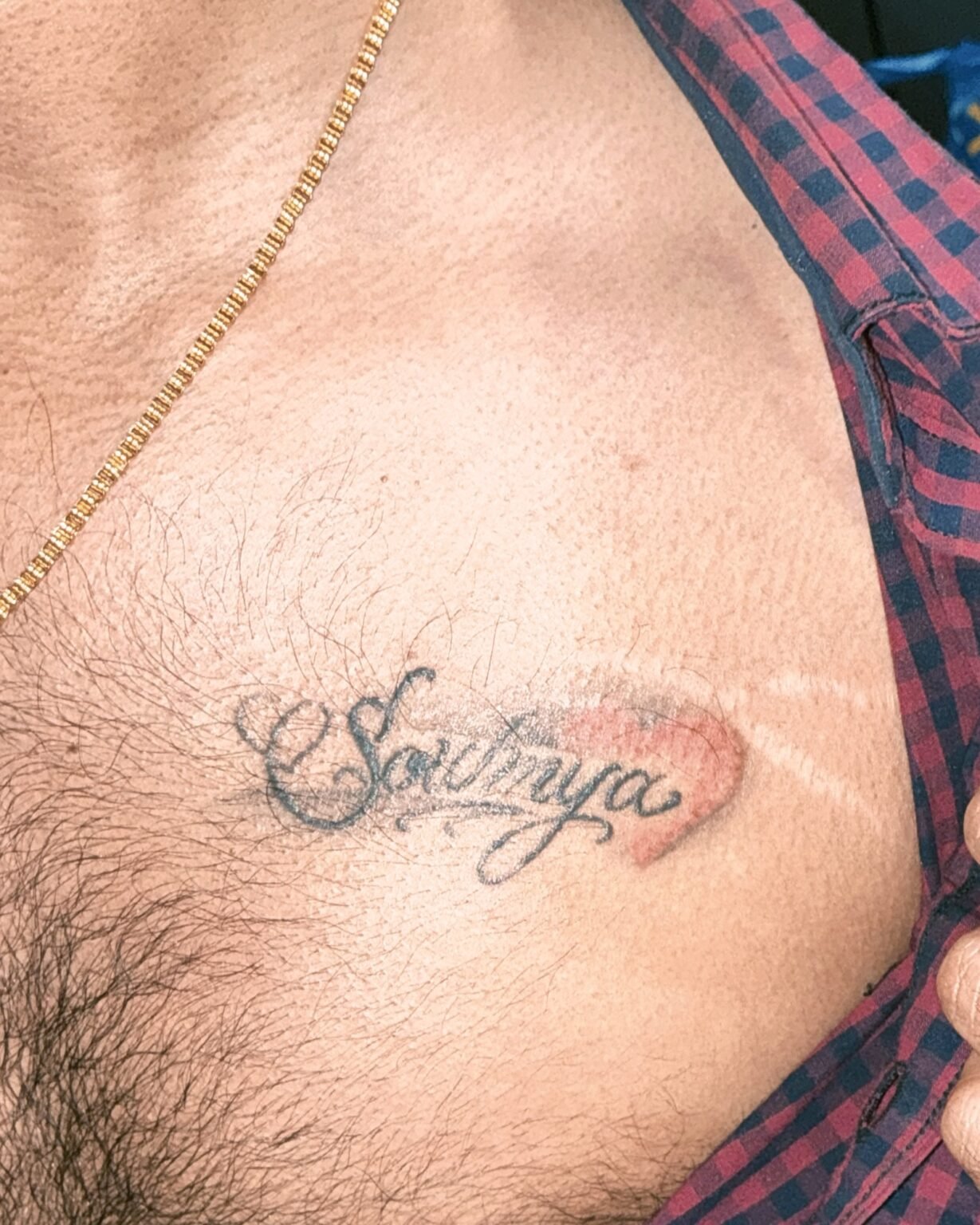
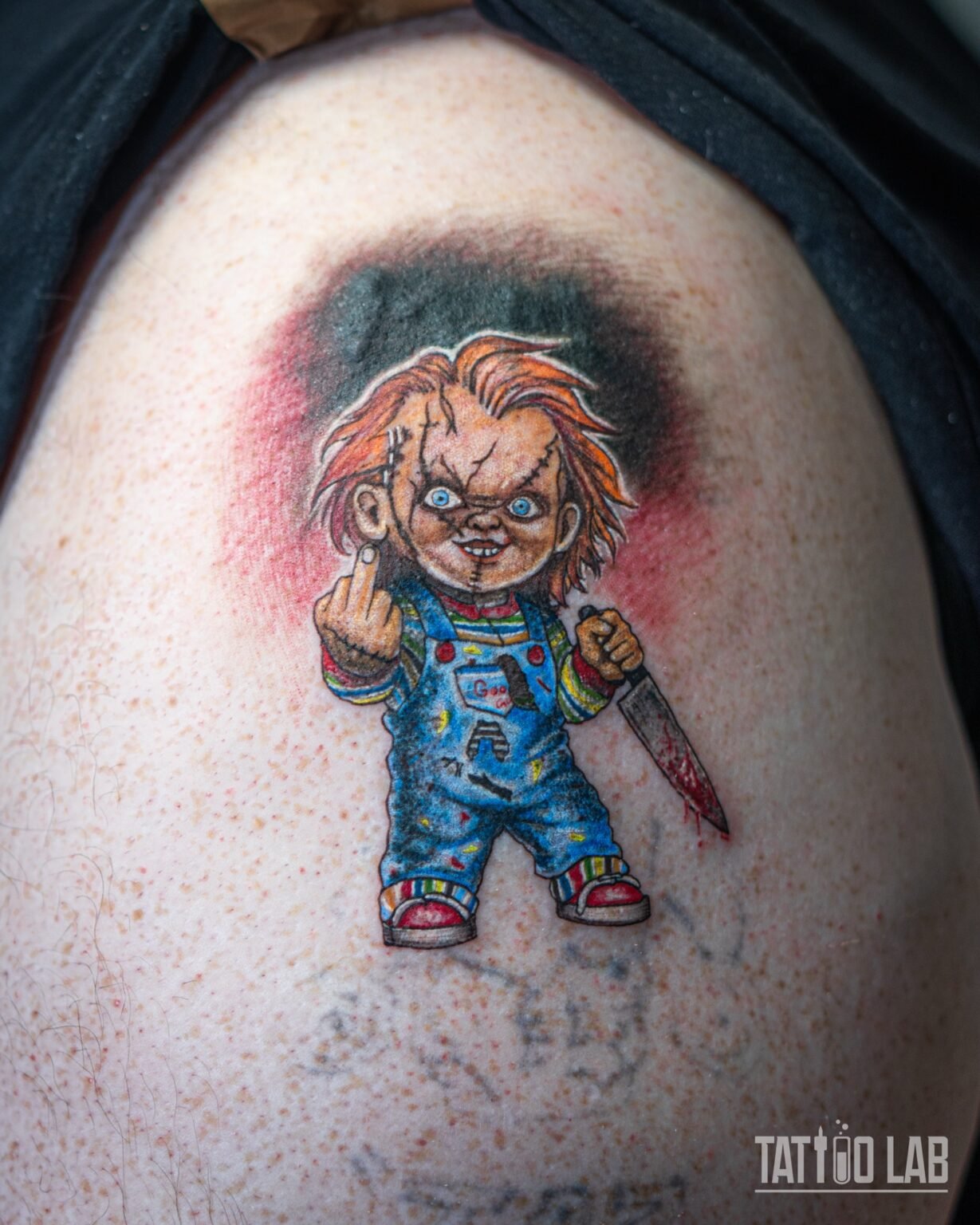
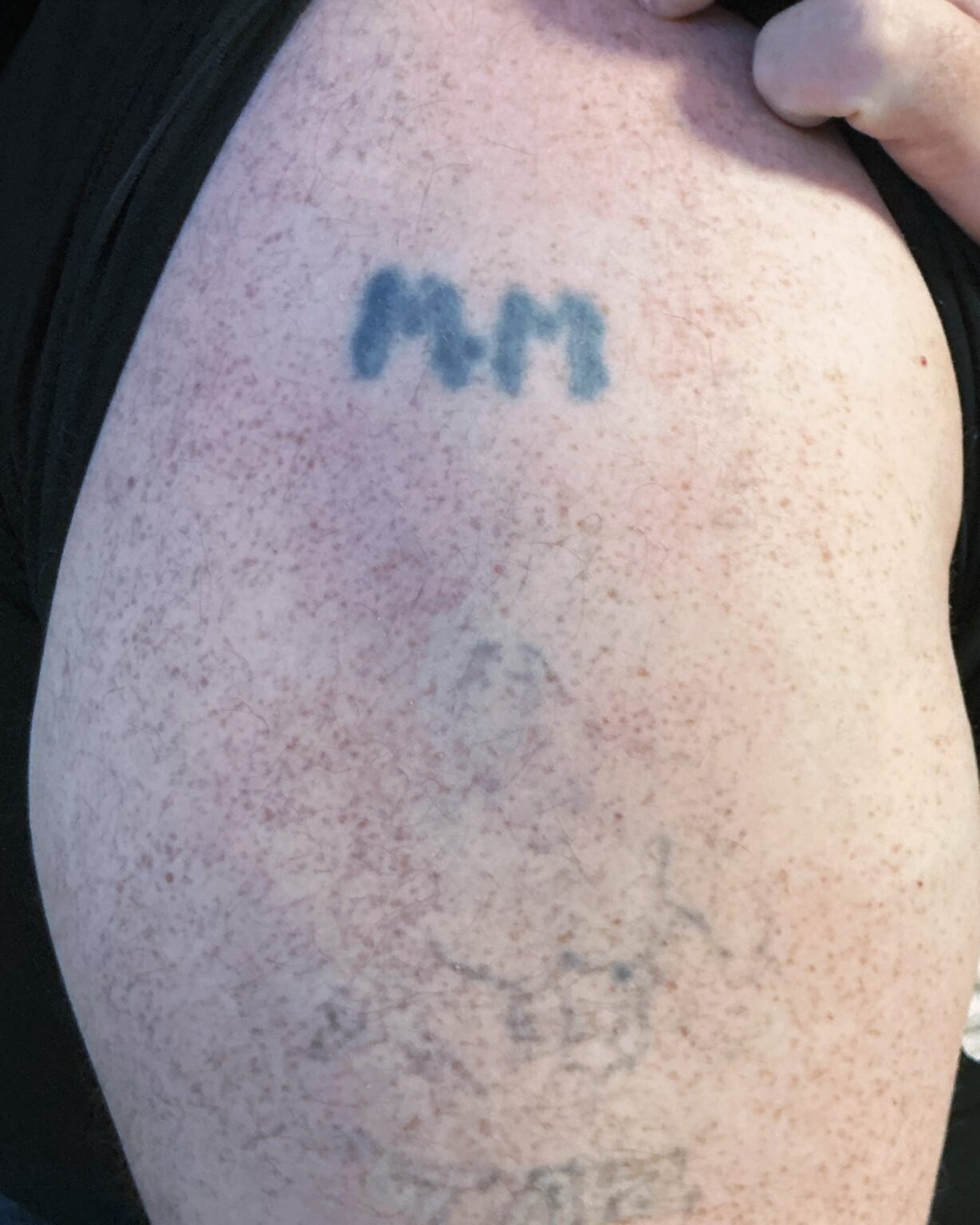
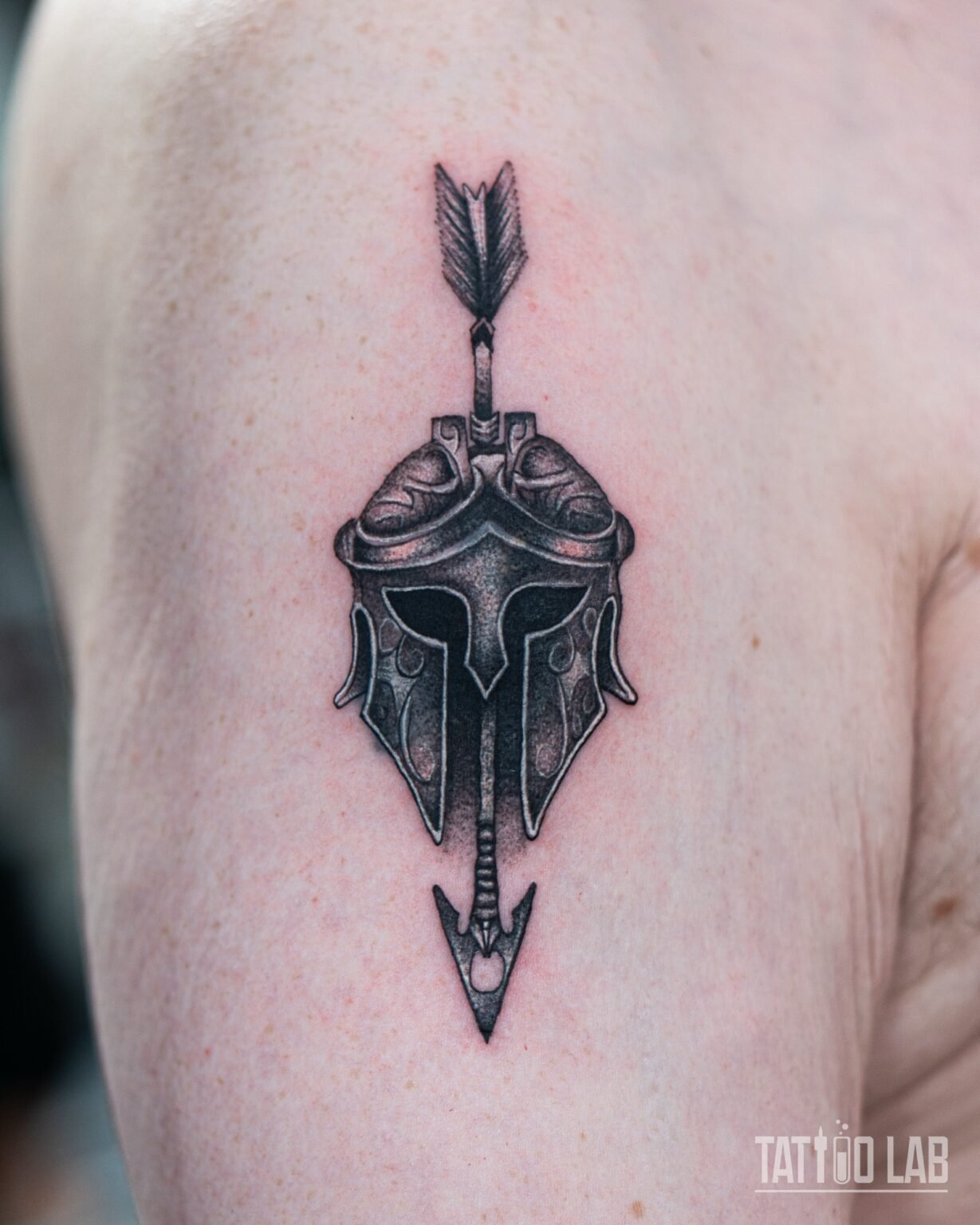
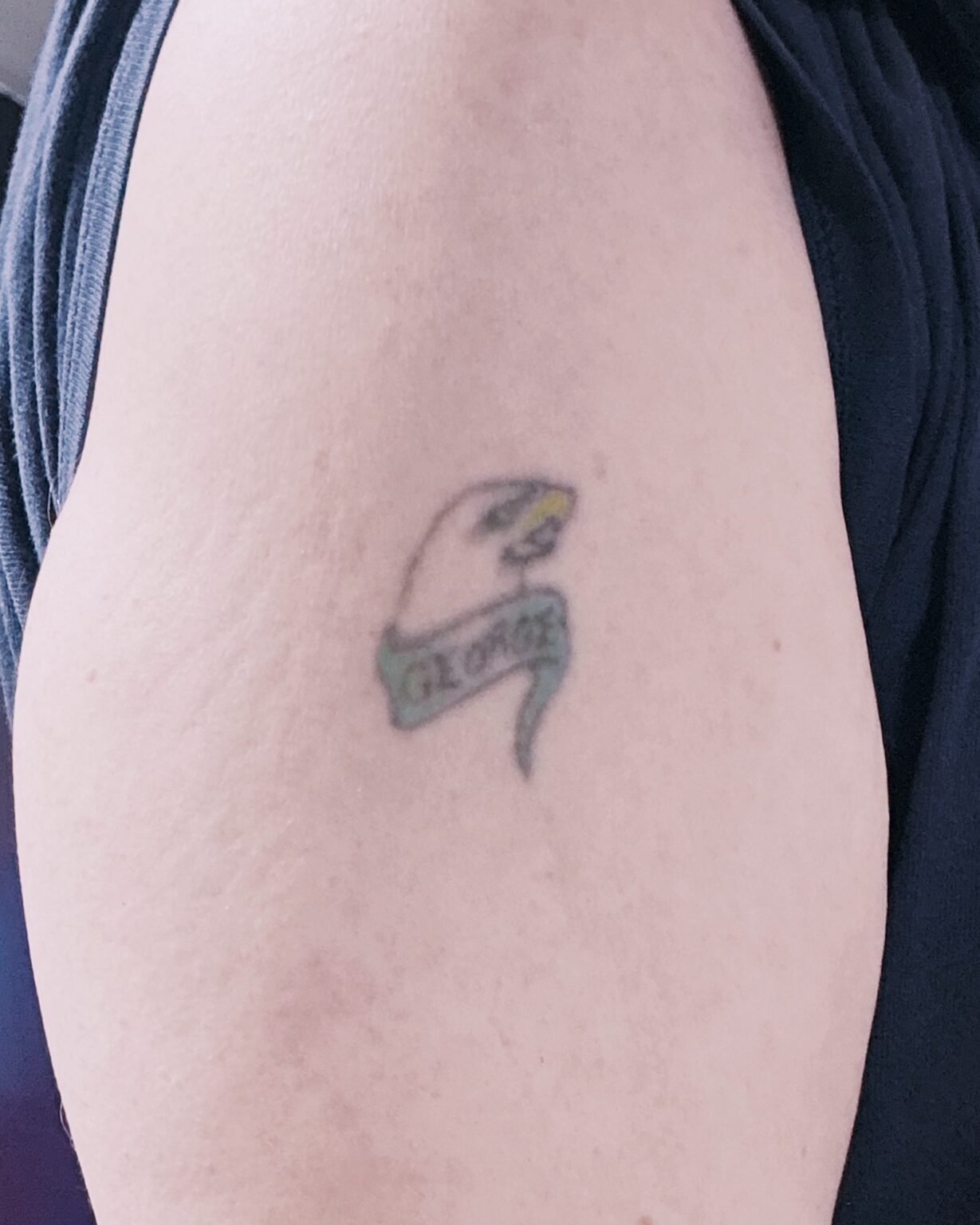
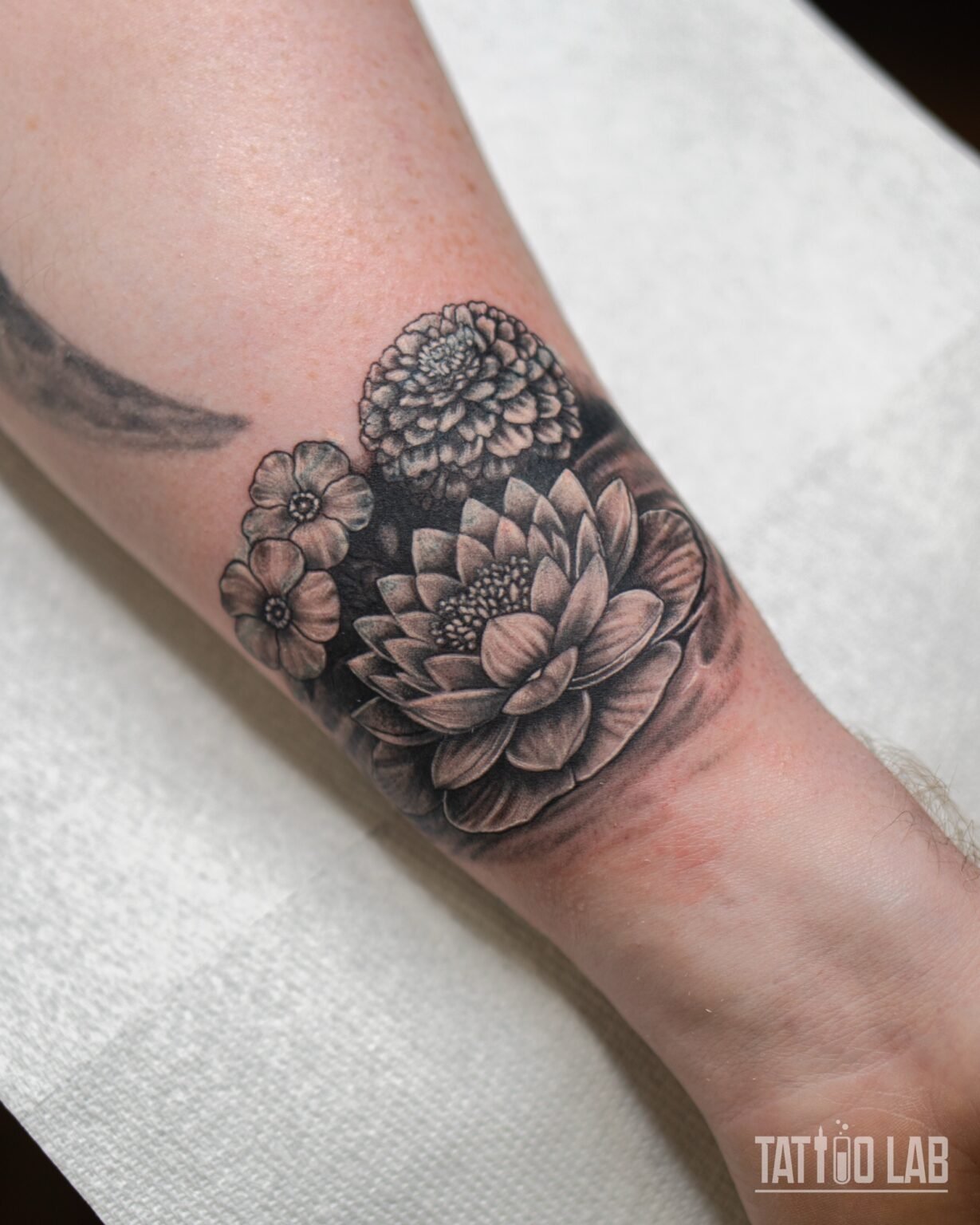
All ten, with what made each one work →
Every cover-up here is by Vivek Divine. Send a daylight photo of yours for an honest answer.
Many tattoos can be covered, but whether yours can depends on how dark, large and detailed it is, and what you’d like instead. This guide explains how each option works, what an honest cover-up consultation looks like, and what dermatology sources say about laser removal.
A new design is tattooed over the old one. It’s usually larger and uses darker or busier areas to hide what’s underneath.
You keep the design, and your artist refreshes lines, shading or colour.
Multiple sessions break up the ink over time. Complete removal without scarring may not be possible.
Clear, well-lit photos of the old tattoo let an artist tell you honestly what’s possible.
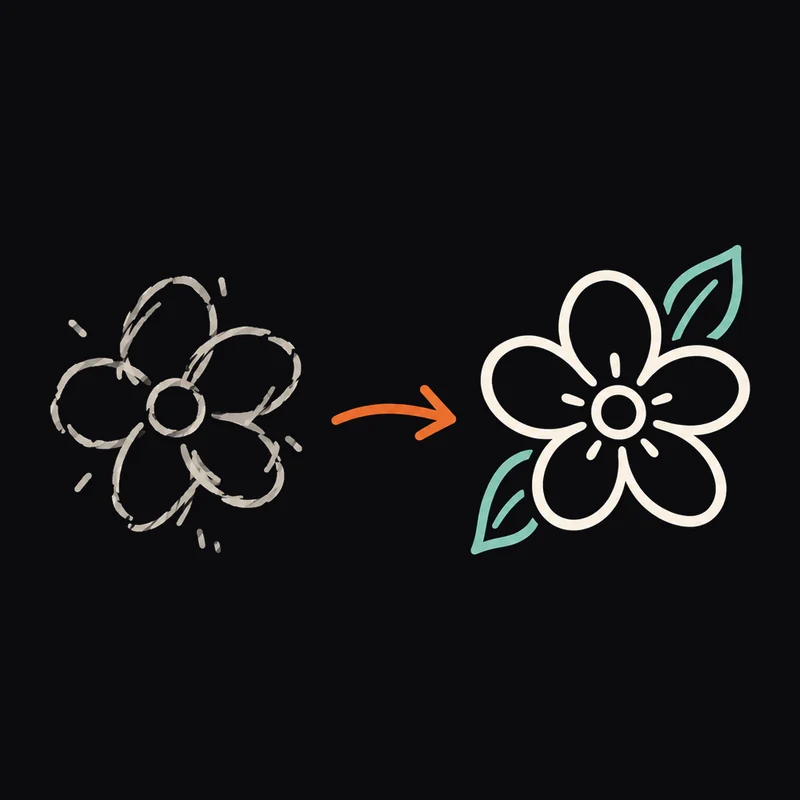
A new tattoo designed to hide an old one. The artist plans the new design around the shapes and dark areas of the existing tattoo, so the old design disappears into the new artwork. Cover-ups are a good choice when you want something completely different.
A refresh of a tattoo you still like: sharpening faded lines, adding shading or colour, or extending the design so it looks intentional again.
A treatment that breaks tattoo ink into smaller particles that the body gradually clears. It can remove a tattoo completely in some cases, or lighten it to make a cover-up easier.
Not every tattoo can be covered with the design you have in mind. From an artist’s point of view, these things make a big difference:
Faded or lighter tattoos are easier to hide than solid black areas.
A cover-up usually needs to be larger than the original to hide it well.
Lighter colours can’t hide darker ink underneath, so cover-ups often use darker tones or strong shading.
Heavily detailed or busy designs, such as florals, animals and textured pieces, often hide old work better than simple, open designs.
There needs to be enough skin around the old tattoo for the new design.
For a very dark or large tattoo, some artists may suggest lightening it with laser sessions first. That’s a decision to make with your artist and a qualified laser practitioner.
Got my tattoo covered up. Vivek was fantastic. We discussed ideas & he came up with something fabulous.
Prices depend on the size, detail and time involved, and cover-ups often need more planning than a new tattoo on clear skin. See tattoo prices and how booking works.
The American Academy of Dermatology (AAD) says lasers have largely replaced other methods, and newer lasers need fewer sessions and treat colours that used to be hard to remove.
A laser can’t safely remove all the ink at once. Cleveland Clinic says laser removal usually takes about 6–12 visits, sometimes more, with time for the skin to heal between sessions.
Cleveland Clinic notes that blue and black inks respond well, while some colours resist removal.
Scarring, texture changes, burns and lasting colour changes are more likely with inadequately trained practitioners, according to the AAD. Lighter or darker patches after treatment usually fade within 6–12 months.
The US FDA says removal can be slow and costly, may not be complete, and can leave scars, and keloids are more frequent after removal.
The AAD says removal creams are ineffective and can cause rashes, burns or scars.
Researchers have proposed the Kirby-Desai scale to estimate how many laser sessions a tattoo may need, based on skin type, location, ink colour, amount of ink, scarring and layering. The AAD recommends seeing a board-certified dermatologist for laser removal.
A tattoo is meant to be permanent. Nova Scotia’s Safe Body Art Standard requires studios to tell clients in writing that removal may not be possible or may scar. That’s why we’d rather spend time on an honest consultation than rush a cover-up that won’t hide your old tattoo.
Choose a cover-up if you want new artwork and your old tattoo can be hidden by a design you’ll love.
Choose a rework if you still like the design but it has faded, blurred or looks unfinished.
Consider laser lightening or removal if you want clear skin, or your old tattoo is too dark or large to cover with the design you want.
Not sure? Send us photos and we’ll give you an honest opinion.
This guide is general information, not medical advice. For laser treatment, consult a qualified practitioner such as a dermatologist.
Many can, but not always with the design you have in mind. Dark, large or solid black tattoos are harder to cover. Send clear photos and your artist will tell you honestly what’s possible.
Usually, yes. A new design generally needs to be larger than the original, with darker or more detailed areas placed over the old tattoo.
Cover-ups are charged by time at $150 to $250 an hour, like any tattoo, and they usually take a little longer than a fresh piece, because they are larger and need more planning. Large or highly detailed custom work can cost more per hour. Send your photos and idea for a realistic range. Prices exclude tax.
It varies. Cleveland Clinic says laser removal usually takes about 6–12 visits, sometimes more, depending on factors such as ink colour, amount of ink, skin type and location.
Often, yes, once the skin has fully healed from treatment. Ask your laser practitioner when your skin is ready, and share photos with your artist.
A cover-up hides the old tattoo under a new design. A rework keeps the design and refreshes it with sharper lines, new shading or colour.
Yes. We are open to scar and mastectomy projects, and each one is discussed case by case. Tell us about the area and what you have in mind, or simply ask whether it is possible. You do not need to send a photo: your artist can look at the area with you, in private, at the free consultation.
Share a clear photo of the tattoo you want to change and what you’d like instead. We’ll tell you honestly whether a cover-up or rework can work. See ten finished cover-ups first.